Principles of Medical Parasitology
Enquire nowAbout this book
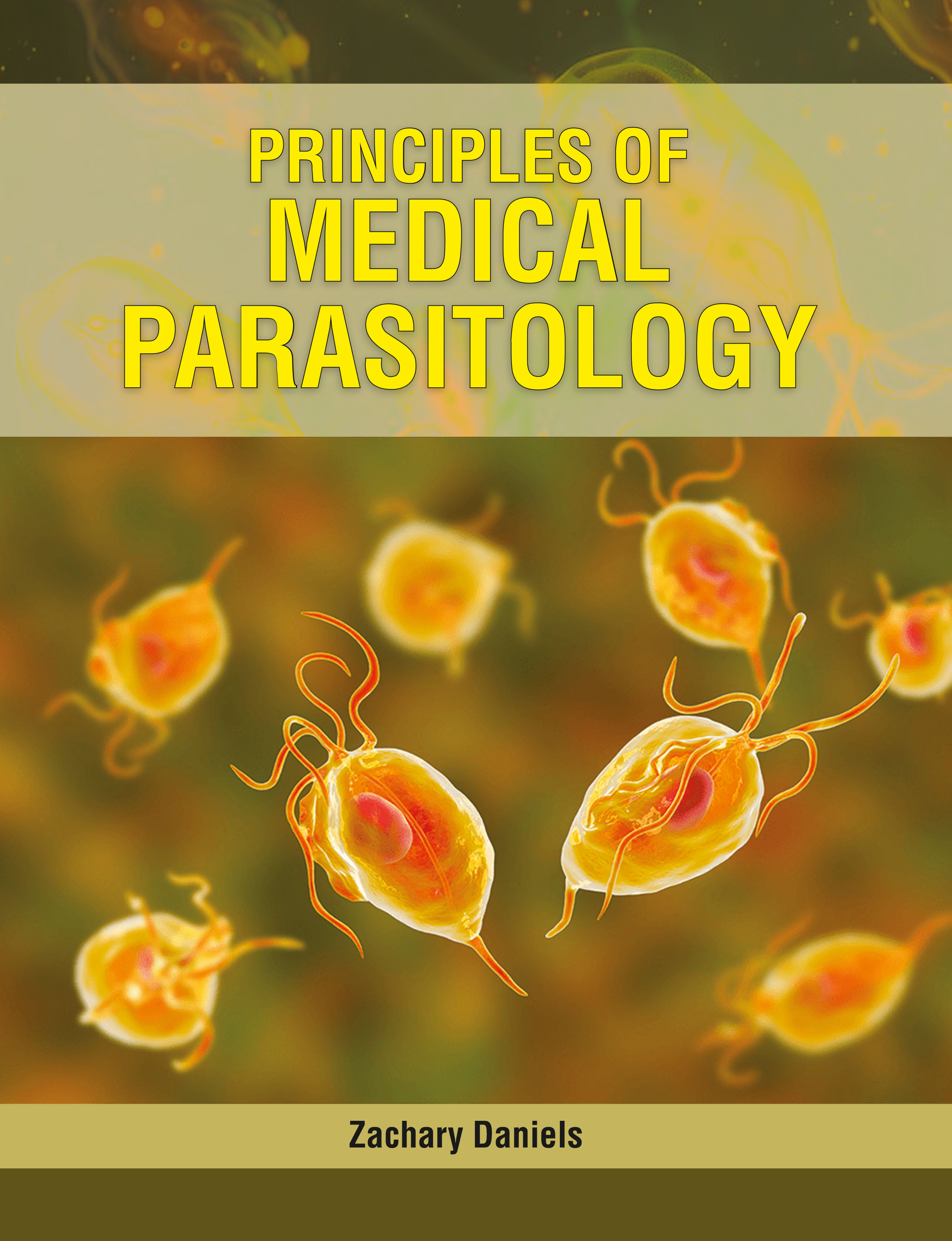
This text provides a comprehensive foundation in the field of medical parasitology, focusing on the biology, life cycles, and clinical significance of parasites affecting human health. It introduces the fundamental principles that govern host-parasite interactions, emphasizing the epidemiological and pathological aspects relevant to modern clinical practice. Beginning with an overview of medical parasitology, the content progresses through detailed chapters on protozoan and helminthic parasites, including those responsible for malaria and other significant tropical diseases. The text further explores intestinal and blood-borne helminths, providing insight into their diagnostic features, modes of transmission, and clinical manifestations. Special attention is given to arthropods that serve as vectors, highlighting their role in the propagation of parasitic diseases. Practical aspects such as parasite identification, prevention strategies, and control measures are also thoroughly addressed. Additionally, the material includes a focused discussion on current antiparasitic therapies, detailing drug classes, mechanisms of action, and the challenges posed by resistance. This integrated approach bridges basic science with clinical application, supporting learners in developing a critical understanding necessary for diagnosis, treatment, and public health intervention. Written with clarity and precision, the content is suitable for students of medicine, microbiology, and public health, as well as healthcare professionals seeking to strengthen their knowledge of parasitic diseases. It serves not only as an academic guide but also as a practical reference for managing parasitic infections in diverse healthcare settings.