Parasitology in Medicine
Enquire nowAbout this book
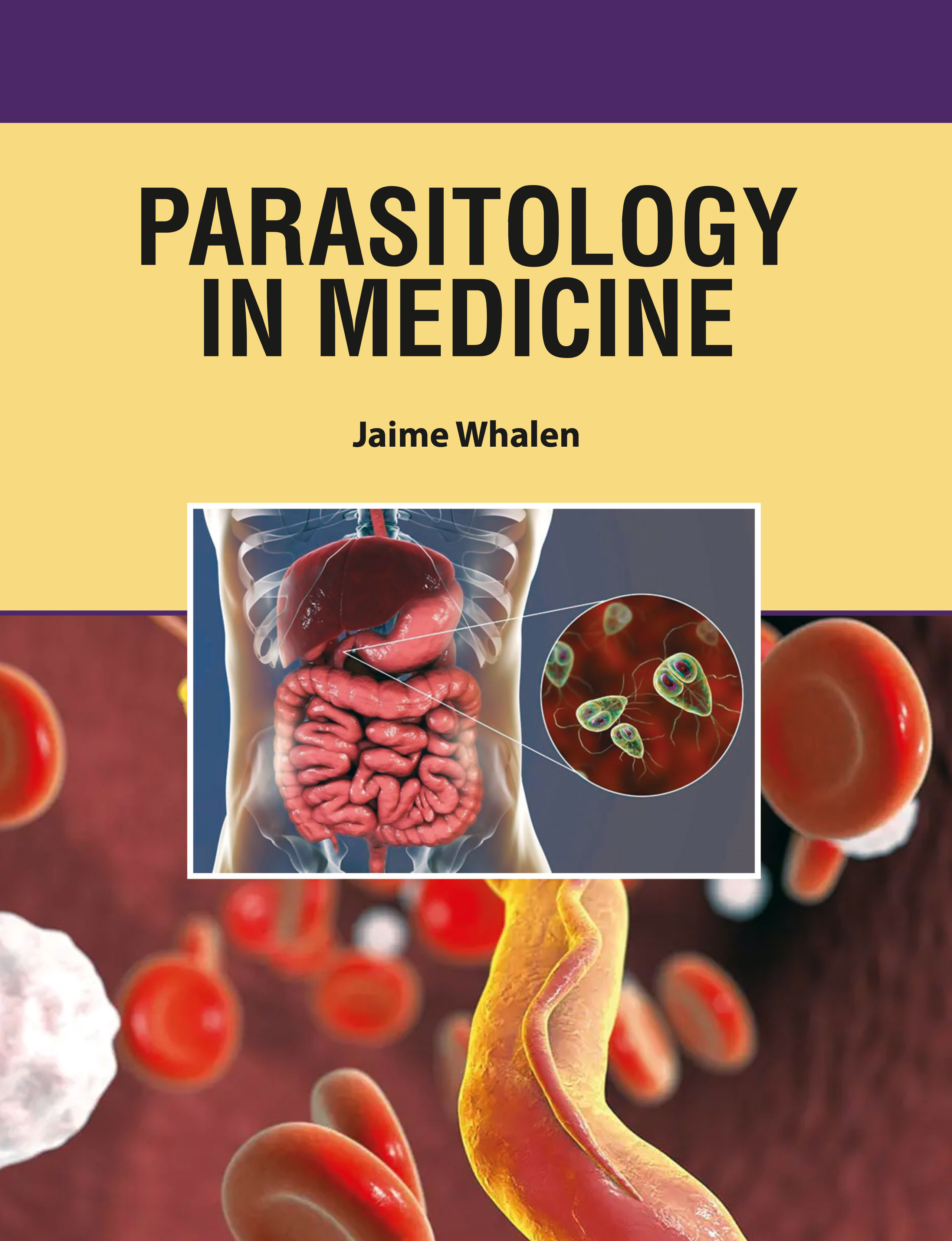
Parasitology in Medicine is a comprehensive academic resource designed for undergraduate and postgraduate students in medicine, microbiology, pathology, public health, and for clinical practitioners and researchers. It offers an in-depth overview of medically significant parasites, detailing their biology, associated diseases, and methods for diagnosis, treatment, and prevention. The book begins with foundational concepts in parasitology, including parasite types, host-parasite interactions, transmission, and life cycles. Subsequent sections explore protozoan parasites such as Entamoeba histolytica, Giardia lamblia, Leishmania donovani, Plasmodium spp., and Toxoplasma gondii, focusing on their morphology, pathogenesis, clinical features, and therapeutic strategies. Chapters on helminths cover intestinal and tissue nematodes like Ascaris lumbricoides and Wuchereria bancrofti, along with cestodes such as Taenia spp. and Hymenolepis nana, highlighting their epidemiology and impact on global health. A detailed section on medical entomology discusses arthropod vectors including mosquitoes, ticks, and mites, and their roles in disease transmission and control. The book also emphasizes diagnostic parasitology techniques—microscopy, serology, molecular methods—and bridges theory with practical application. A clinical parasitology section presents case studies and syndromic approaches, particularly in vulnerable populations. It concludes with strategies for prevention and control, including hygiene, drug prophylaxis, vaccination, and WHO guidelines. Enhanced with illustrations, tables, and evidence-based content, Parasitology in Medicine serves as both a study guide and clinical reference, offering an accessible yet authoritative framework for tackling parasitic diseases in real-world healthcare and public health settings.