Comprehensive Parasitology
Enquire nowAbout this book
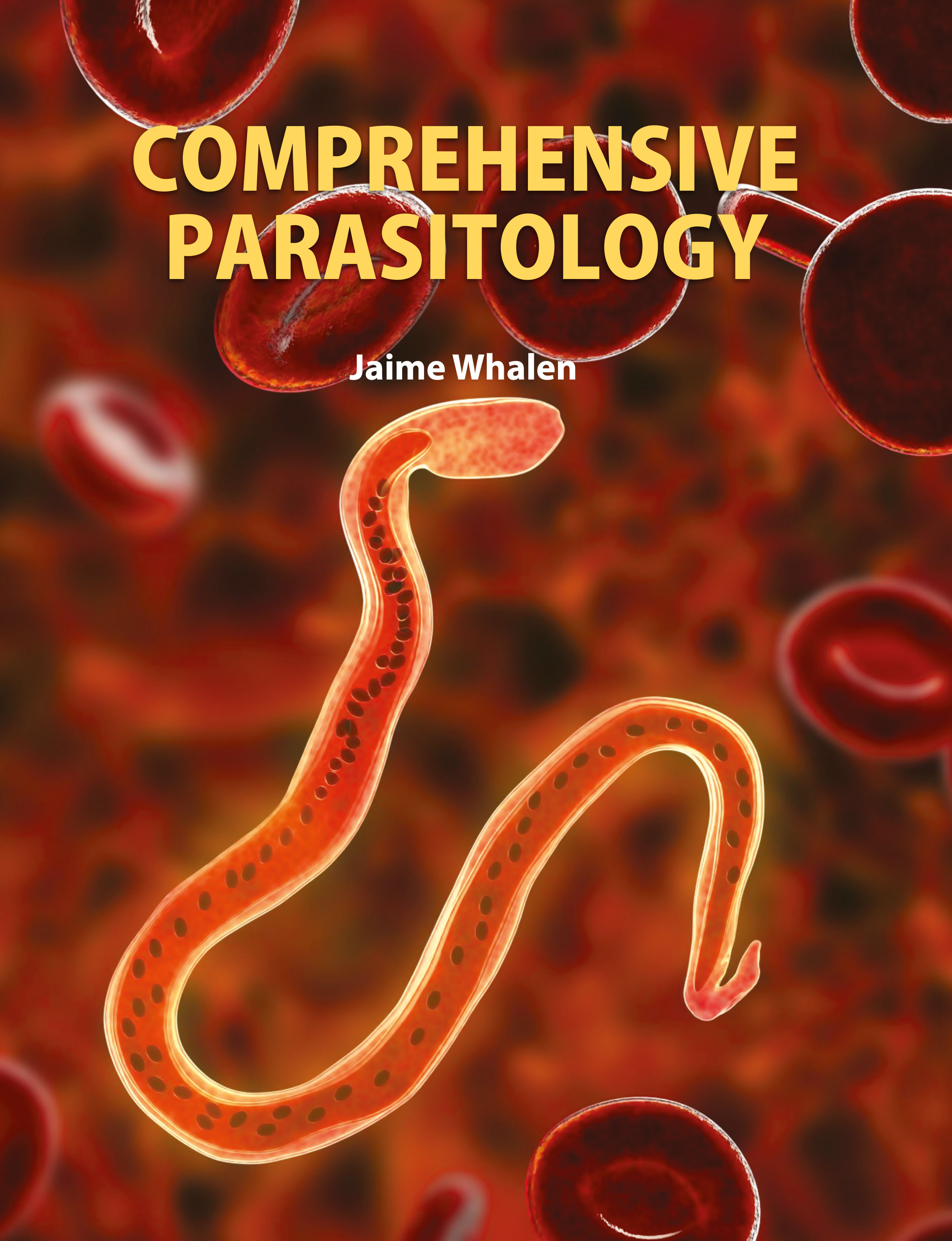
Comprehensive Parasitology is a definitive academic text that explores the complex world of parasites and their effects on human, animal, and environmental health. Structured to combine foundational science with modern advancements, it serves students, educators, clinicians, researchers, and diagnosticians in both medical and veterinary parasitology. The book begins with essential concepts, including the definition, history, and scope of parasitology, host-parasite relationships, types of parasitism, and adaptive mechanisms. It then moves into a cross-disciplinary exploration of medical, veterinary, molecular, immuno-, and ecological parasitology, offering a well-rounded understanding of parasitic diseases. Core chapters focus on major parasitic groups—helminths, protozoa, and arthropods—each detailed in terms of classification, morphology, lifecycle, clinical impact, diagnostic methods, and treatment. Key diseases like malaria, leishmaniasis, filariasis, schistosomiasis, and cysticercosis are covered with clinical depth. Visual aids such as lifecycle diagrams, diagnostic flowcharts, and comparative tables enhance comprehension and retention. Diagnostic parasitology is thoroughly addressed, covering classical microscopy to advanced molecular and immunodiagnostic tools. The text also integrates public health perspectives, discussing vector biology, disease transmission, drug resistance, emerging threats, and WHO strategies. A One Health approach is emphasized through zoonotic disease coverage and socio-environmental considerations. Each chapter concludes with key points and learning summaries, aiding review and practical application—ideal for academic study and clinical preparation. In summary, Comprehensive Parasitology is an authoritative, accessible, and multidisciplinary resource that equips readers to understand, diagnose, manage, and prevent parasitic diseases, while appreciating their broader global and public health implications.