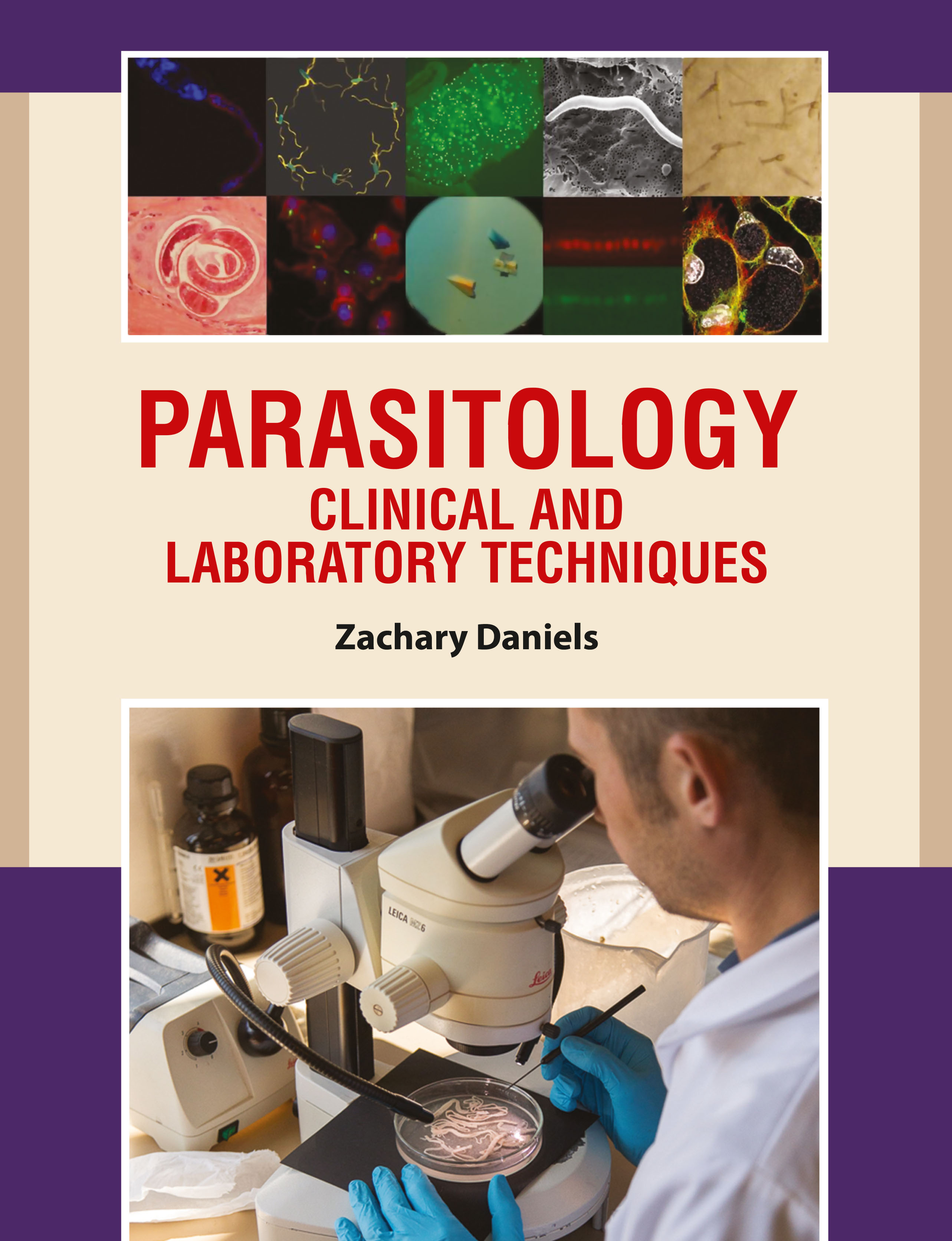
Parasitology: Clinical and Laboratory Techniques
Enquire nowAbout this book
This book provides a comprehensive guide to the fundamental and advanced methodologies used in clinical and laboratory parasitology. It serves as an essential resource for students, laboratory professionals, clinicians, and researchers who are involved in diagnosing and studying parasitic infections. Covering a wide range of topics, the content bridges theoretical concepts with hands-on laboratory practices, emphasizing the critical role of parasitology in public health and clinical diagnosis. The initial chapters lay the groundwork by introducing the scope of clinical parasitology and its significance in identifying and managing parasitic diseases. Detailed guidance is provided on the proper techniques for specimen collection and preservation, ensuring accuracy and reliability in laboratory analysis. The book then delves into microscopy and staining techniques, highlighting their role in detecting various parasitic forms with precision. Subsequent chapters focus on specific diagnostic strategies for different specimen types, such as feces, blood, urine, sputum, and other body fluids. These sections provide step-by-step methodologies that align with best practices in clinical laboratories. Additionally, the inclusion of culture methods offers insights into the growth and identification of parasites under controlled conditions, enhancing diagnostic capabilities and research applications. Throughout the text, readers will find a blend of classical techniques and modern innovations in parasitology. Emphasis is placed on quality control, safety protocols, and interpretation of results, which are vital for ensuring diagnostic accuracy. By integrating clinical relevance with laboratory efficiency, this book aims to equip readers with the skills and knowledge necessary to address parasitic infections effectively and contribute to improved patient outcomes.