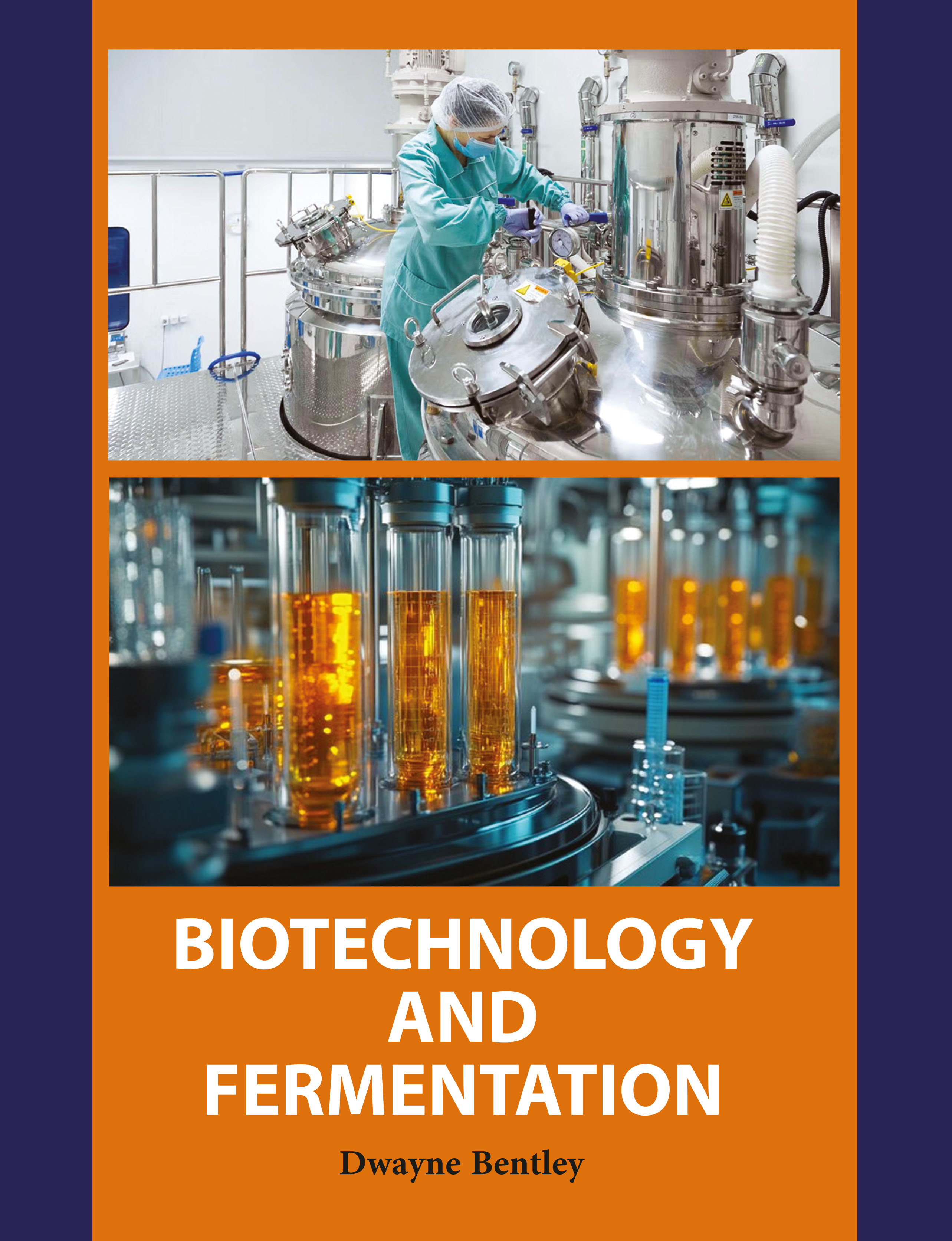
Biotechnology and Fermentation
Enquire nowAbout this book
Biotechnology is a multidisciplinary field that harnesses biological systems, organisms, and processes to develop products and technologies beneficial to human life. One of the most important applications of biotechnology is fermentation, a natural metabolic process in which microorganisms such as bacteria, yeast, or fungi convert organic substrates, like sugars, into valuable products. Fermentation has been practiced for centuries in the preparation of bread, wine, beer, and dairy products, but modern biotechnology has expanded its scope to industrial, medical, and pharmaceutical fields. In pharmaceuticals, fermentation plays a key role in producing antibiotics, vaccines, vitamins, hormones, and enzymes. For example, the large-scale production of penicillin, insulin, and monoclonal antibodies relies heavily on microbial fermentation techniques. In industrial biotechnology, fermentation enables the sustainable production of biofuels, biodegradable plastics, and organic acids, reducing reliance on fossil fuels. Additionally, fermentation is vital in agriculture for developing biofertilizers and biopesticides that support eco-friendly farming practices. Advancements in genetic engineering and molecular biology have further enhanced fermentation processes by creating genetically modified organisms (GMOs) that yield higher productivity and efficiency. Thus, the combination of biotechnology and fermentation not only revolutionizes healthcare and industry but also contributes to sustainable development and global well-being. Biotechnology and Fermentation explores the scientific principles, techniques, and applications of microbial processes in pharmaceuticals, industry, and sustainable development.