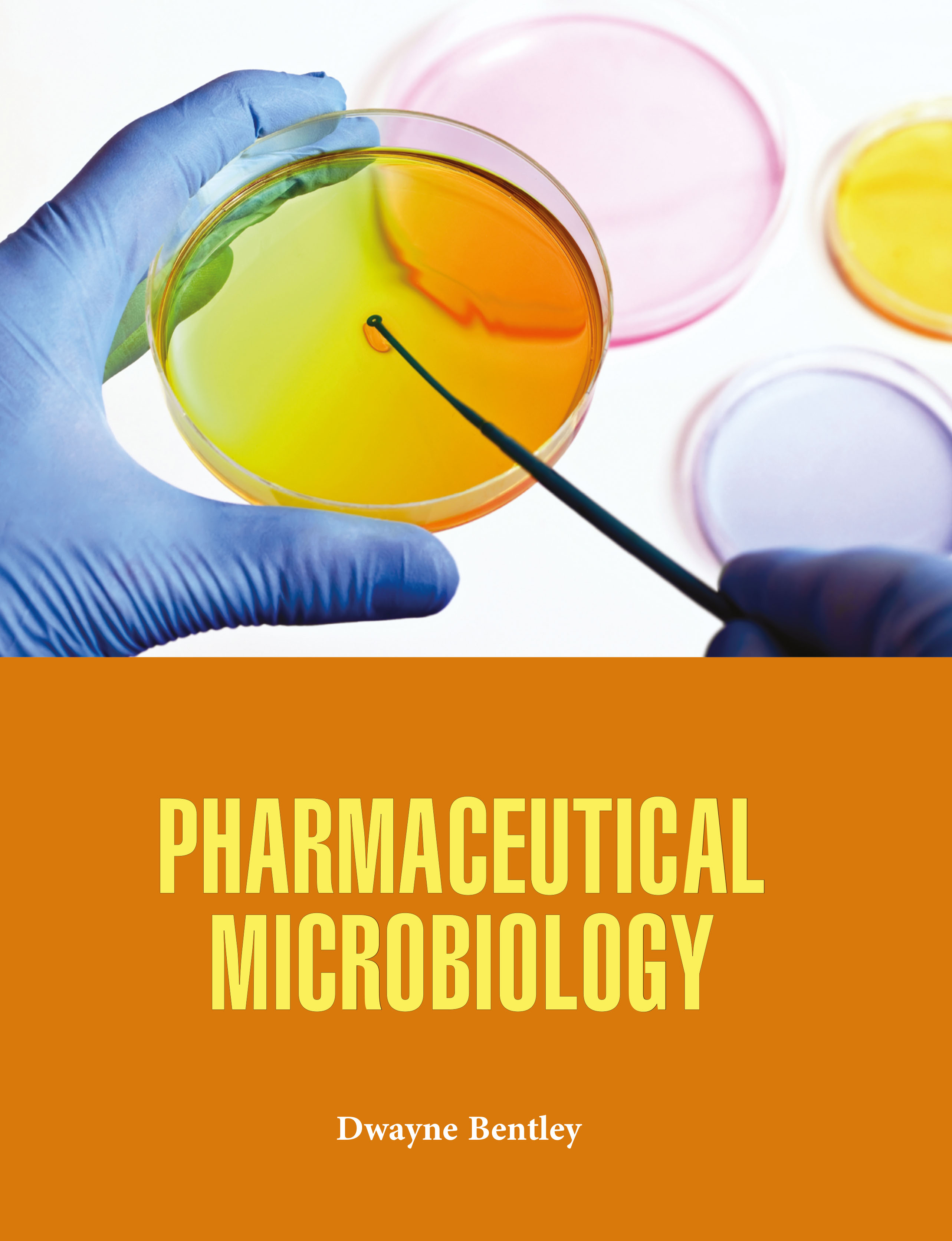
Pharmaceutical Microbiology
Enquire nowAbout this book
Pharmaceutical Microbiology is a specialized branch of microbiology that focuses on the study of microorganisms relevant to the production, quality, and safety of pharmaceutical products. It plays a vital role in ensuring that medicines, vaccines, and other healthcare products are free from harmful microbial contamination while also utilizing beneficial microbes in drug development. This field covers various aspects, including the detection and identification of microorganisms in raw materials, finished products, and production environments, as well as the design of sterilization and preservation methods. Pharmaceutical microbiology also addresses issues such as antibiotic resistance, microbial spoilage, and the development of new antimicrobial agents. The discipline is critical in maintaining regulatory compliance, where strict microbial limits are established to protect patient health. Additionally, it explores innovative technologies like rapid microbial detection methods, biosensors, and microbiome-based therapeutics. By combining principles of microbiology with pharmaceutical sciences, this field ensures the production of safe, effective, and high-quality medicines, contributing significantly to global healthcare. Its applications extend to sterile drug manufacturing, biotechnology, vaccine production, and quality control, making it an indispensable area of study for pharmaceutical research, industry, and clinical practices. This book on Pharmaceutical Microbiology explores the role of microorganisms in drug development, production, quality control, and patient safety.