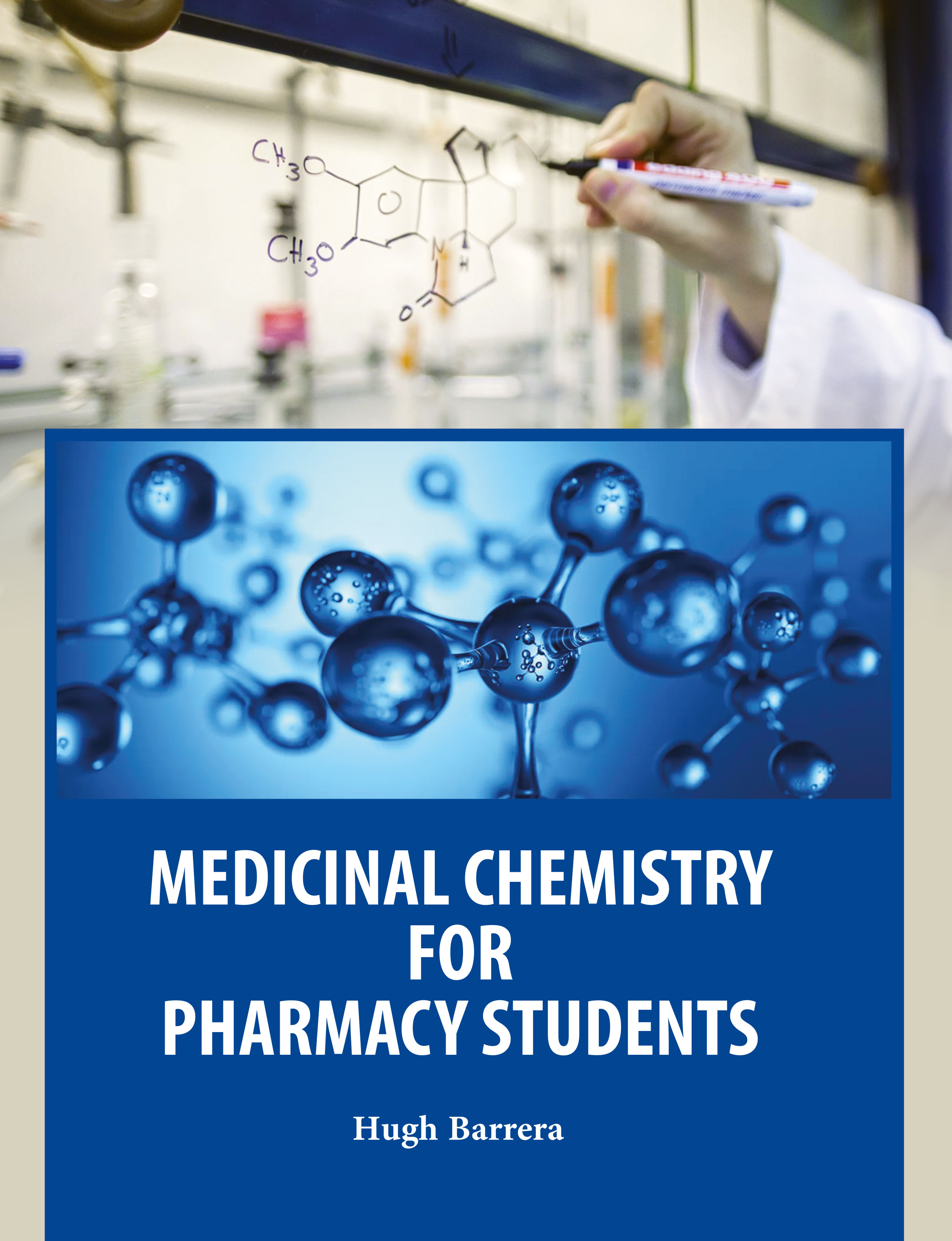
Medicinal Chemistry for Pharmacy Students
Enquire nowAbout this book
Medicinal chemistry is a vital branch of pharmaceutical sciences that bridges chemistry and biology to understand the relationship between chemical structure and biological activity of drug molecules. For pharmacy students, it provides the foundation for drug discovery, design, and development by focusing on how molecular modifications can influence pharmacological effects, potency, selectivity, and safety. The subject introduces students to the principles of organic and inorganic chemistry applied to therapeutic agents, emphasizing structure-activity relationships (SAR), drug-receptor interactions, physicochemical properties, and metabolic pathways. By studying medicinal chemistry, pharmacy students gain insights into how drugs act at the molecular level and how they can be optimized to treat specific diseases. This knowledge helps them evaluate therapeutic classes such as antibiotics, anticancer drugs, cardiovascular agents, and central nervous system drugs, linking theoretical concepts with practical applications in patient care. Medicinal chemistry also equips students with analytical and problem-solving skills essential for understanding drug design, toxicology, and resistance mechanisms, ensuring rational and evidence-based use of medicines. Ultimately, it prepares future pharmacists to contribute meaningfully in clinical practice, pharmaceutical industry, and research, strengthening their role in advancing healthcare through safe, effective, and innovative therapeutic solutions. Medicinal Chemistry for Pharmacy Students explores the principles of drug design, structure-activity relationships, and molecular interactions to build a strong foundation in pharmaceutical sciences.