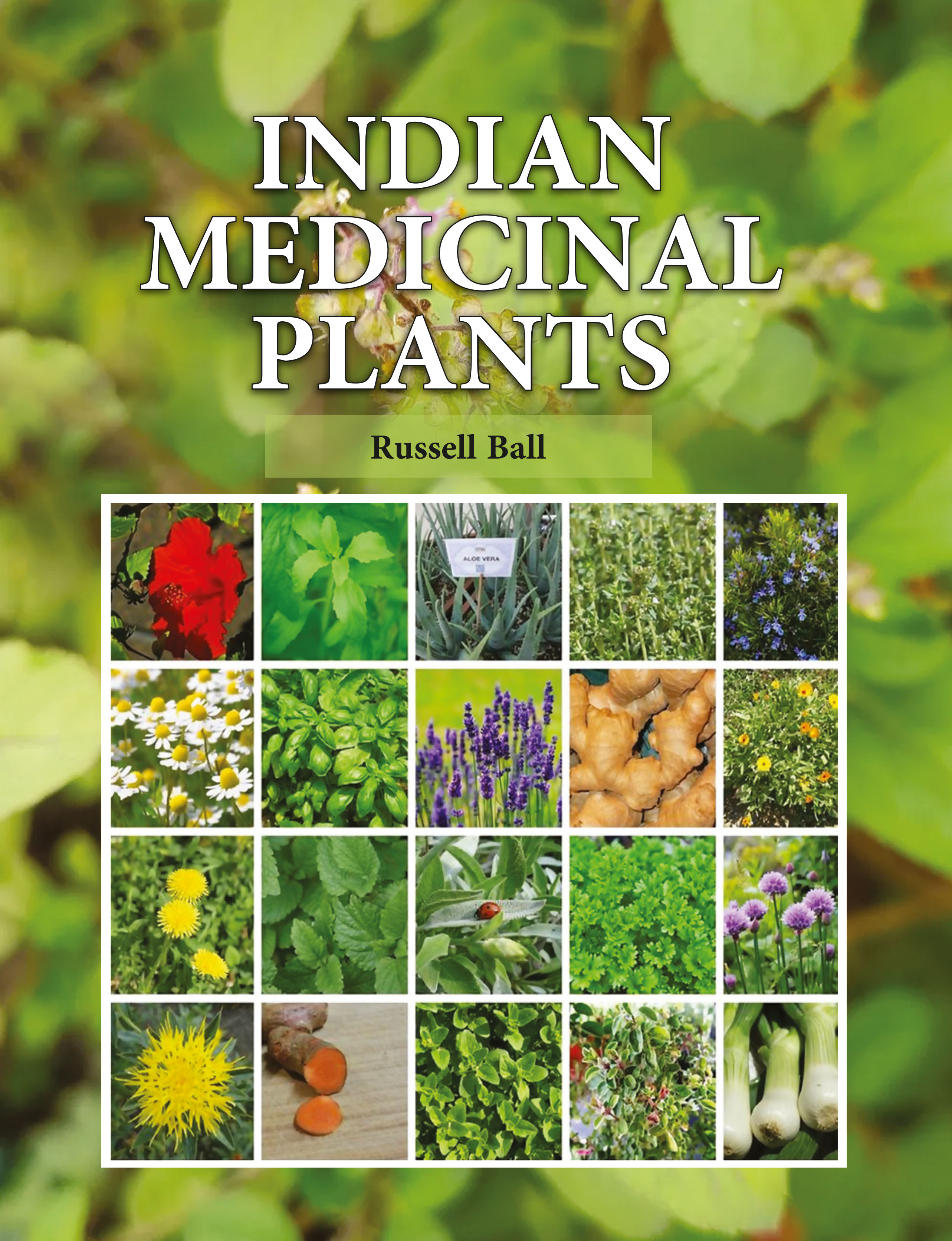
Indian Medicinal Plants
Enquire nowAbout this book
Indian Medicinal Plants have been an integral part of traditional healthcare systems for centuries, forming the backbone of Ayurveda, Siddha, and Unani practices. India, being one of the world's richest biodiversity hotspots, harbors thousands of plant species with therapeutic value. Medicinal plants like Neem, Tulsi, Ashwagandha, Aloe Vera, Turmeric, and Amla are widely known for their healing properties and are used in both household remedies and formal medical formulations. These plants contain bioactive compounds such as alkaloids, flavonoids, tannins, and glycosides, which contribute to their antimicrobial, anti-inflammatory, antioxidant, and immunomodulatory effects. In rural communities, medicinal plants continue to be the first line of treatment due to their accessibility and affordability. Beyond traditional uses, modern scientific research has increasingly validated their therapeutic efficacy, leading to their incorporation into pharmaceuticals, nutraceuticals, and cosmetic industries. With rising global interest in natural and holistic health, Indian medicinal plants are gaining prominence in international markets as safe and sustainable alternatives to synthetic drugs. Conservation and sustainable utilization, however, remain critical challenges due to overharvesting and habitat loss. Thus, Indian medicinal plants represent not only a cultural and historical treasure but also a promising resource for future healthcare innovations. This book explores the rich diversity of India's medicinal flora, highlighting their cultural significance, healing properties, and evolving role in modern healthcare and research.