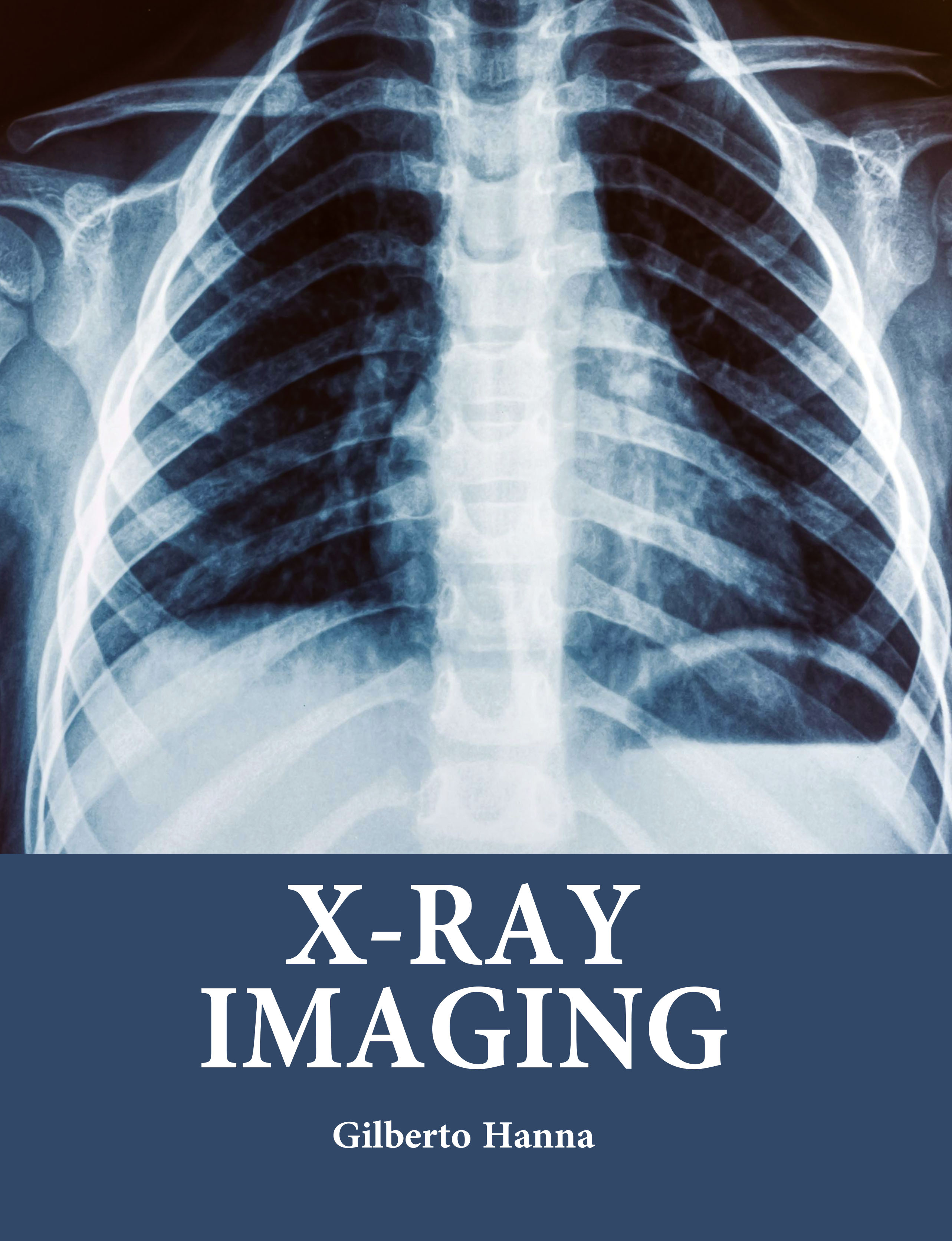
XRay Imaging
Enquire nowAbout this book
This text serves as a comprehensive resource on X-ray imaging, offering a structured exploration of its fundamental principles, technological components, and wide-ranging applications. Beginning with an introduction that lays the groundwork for understanding the historical evolution and significance of X-ray technology in modern medicine, the chapters sequentially build a detailed picture of how X-rays are generated, manipulated, and utilized for diagnostic and therapeutic purposes. The book delves into the physics behind X-ray generation, explaining essential concepts such as radiation production, interactions with matter, and the principles that govern image acquisition. It further examines the components that make up an X-ray system, from the X-ray tube to the control panel, detailing how each part contributes to overall image quality and system performance. Different imaging techniques are covered in depth, showcasing the versatility of X-ray applications across various medical and industrial domains. The section on image formation and quality emphasizes critical factors such as resolution, contrast, and exposure parameters, offering insight into how high-quality images are obtained. Additionally, the role of contrast media is explored, highlighting their importance in enhancing image clarity for specific diagnostic procedures. The clinical applications of
X-ray imaging are discussed with relevance to fields such as thoracic, abdominal, musculoskeletal, and dental diagnostics, illustrating its integral role in patient care. The text also addresses recent advancements in digital radiography, computed radiography, and image-guided interventions, reflecting the rapid technological progression in this field. Through its comprehensive coverage and clear organization, the text equips students, technicians, and healthcare professionals with the knowledge needed to understand and effectively utilize
X-ray imaging in various clinical contexts.