Understanding Toxicology
Enquire nowAbout this book
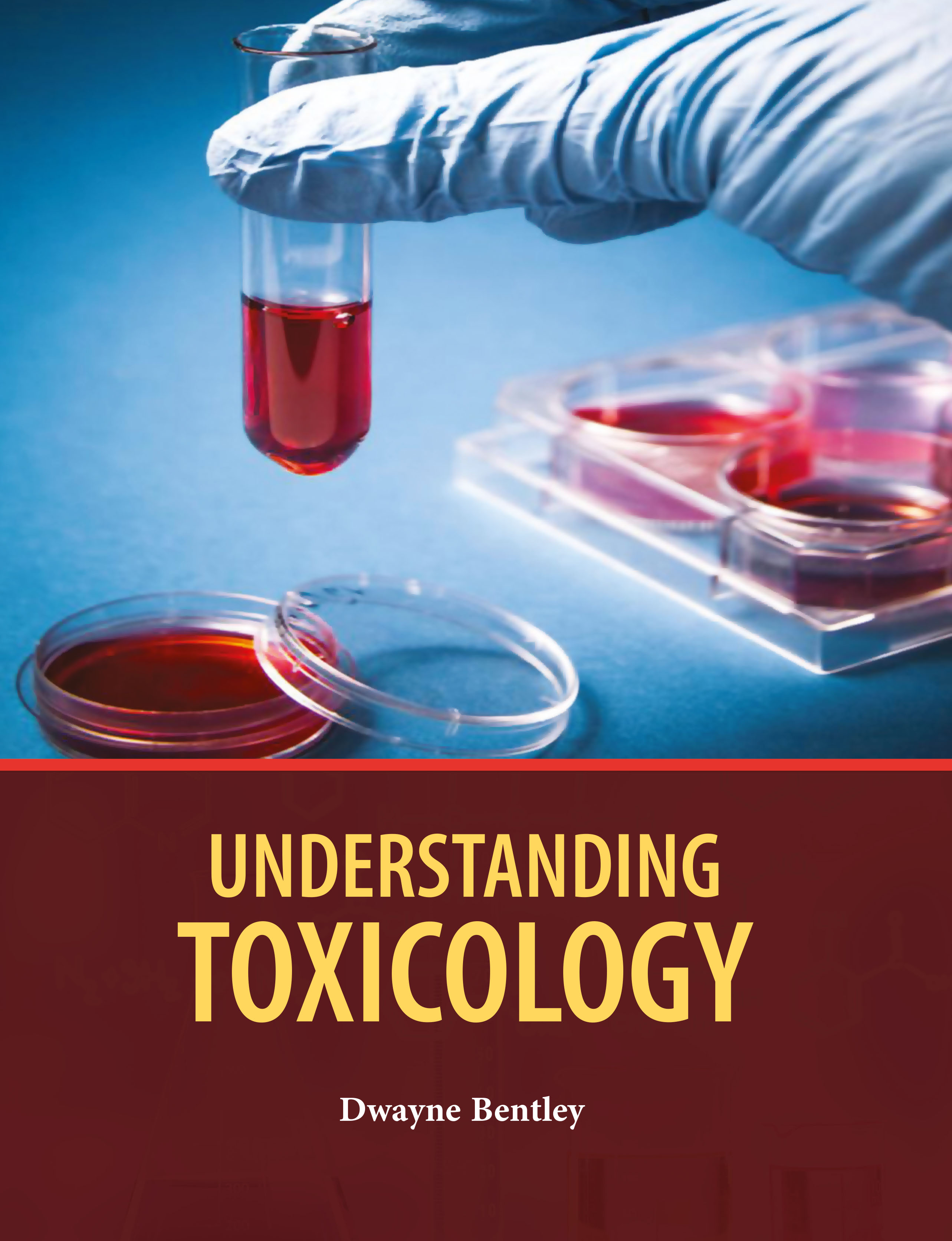
Understanding Toxicology is essential for exploring how chemicals, drugs, and environmental agents interact with living organisms to produce harmful effects. As a branch of science, toxicology examines the nature, mechanisms, and severity of toxic responses, providing a foundation for assessing the safety of substances encountered in daily life and medical practice. It studies the dose-response relationship, emphasizing the principle that "the dose makes the poison," meaning that nearly any substance can be toxic at a certain concentration. Toxicology encompasses various subfields, including environmental toxicology, which investigates pollutants and their ecological impacts, and forensic toxicology, which aids in crime detection and legal investigations through substance analysis. Clinical toxicology focuses on diagnosing and treating poisoning cases, while regulatory toxicology develops guidelines for safe exposure levels. By identifying target organs, metabolic pathways, and biochemical interactions, toxicologists help in predicting risks and preventing toxic effects. With advancements in molecular biology, toxicology also integrates genetic and cellular approaches to understand susceptibility and long-term consequences of exposure. In modern times, toxicology is critical for drug development, occupational safety, and environmental protection, ensuring that human health and ecosystems remain safeguarded against harmful substances. It therefore stands as a vital science linking chemistry, biology, and medicine. This book on Understanding Toxicology explores the principles, mechanisms, and applications of toxicology in safeguarding human health and the environment.