Public Health and Prevention Disease
Enquire nowAbout this book
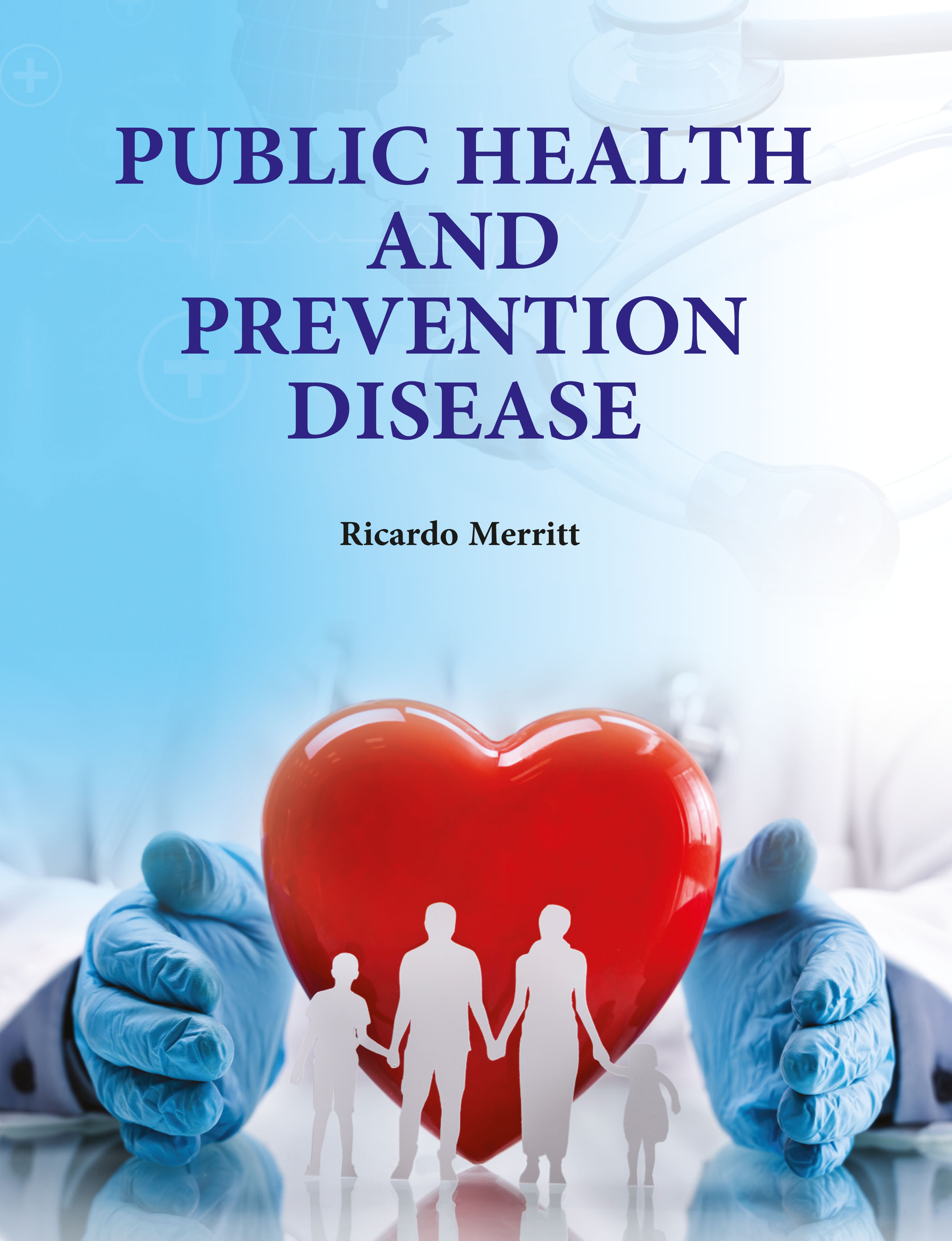
Public health plays a central role in the prevention of disease by focusing on community-wide strategies that reduce risks before illness occurs. Unlike curative medicine, which treats individuals after they fall sick, public health emphasizes prevention as a cost-effective and sustainable approach to improving overall well-being. Preventive measures are rooted in the understanding that health outcomes are shaped by factors such as environment, lifestyle, education, and access to healthcare. By addressing these determinants, public health systems aim to reduce the burden of both communicable and non-communicable diseases. Prevention operates at multiple levels-primary, secondary, and tertiary. Primary prevention includes measures like vaccination, sanitation, safe drinking water, healthy nutrition, and awareness campaigns to stop diseases from arising. Secondary prevention focuses on early detection and timely treatment through screening programs, diagnostic testing, and routine check-ups. Tertiary prevention involves rehabilitation and long-term care to minimize complications and improve quality of life for those already affected. Together, these strategies form a comprehensive approach to disease control. By integrating education, policy, and community participation, public health ensures that prevention remains at the core of healthcare delivery. Ultimately, effective prevention not only saves lives but also reduces healthcare costs and builds healthier, more resilient societies. Public Health and Prevention of Disease explores the principles, strategies, and practices that safeguard communities by reducing health risks and preventing illness.