Principles of Forensic Toxicology
Enquire nowAbout this book
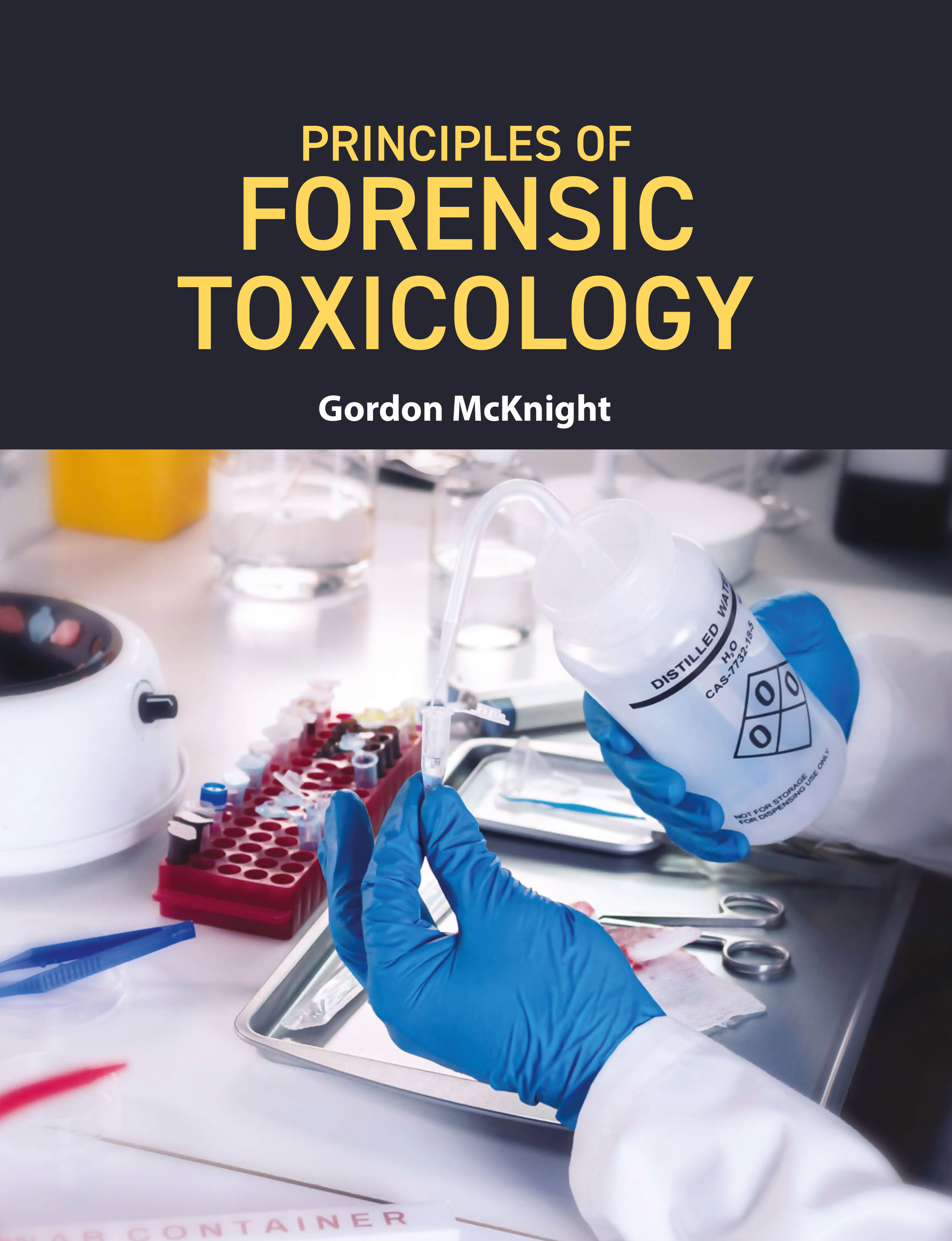
Principles of Forensic Toxicology is a comprehensive academic textbook that explores the science of toxic substances and their forensic implications. Designed for students and professionals in forensic science, toxicology, pharmacology, and medicolegal fields, it combines scientific principles with real-world legal applications. The book begins by outlining the scope, evolution, and core concepts of forensic toxicology. It explains how toxic substances are absorbed, distributed, metabolized, and excreted, linking these physiological processes to forensic casework. Analytical techniques are thoroughly covered, with emphasis on classical and advanced methods such as gas chromatography, HPLC, and mass spectrometry—highlighting their roles in detecting toxins and presenting reliable evidence in court. Clinical and postmortem toxicology are examined through real-world cases involving overdoses, poisonings, and suspicious deaths. The text also discusses specific toxic agents like heavy metals, organophosphates, opioids, and amphetamines, detailing their chemical properties, toxic effects, and forensic significance. Ethical and legal aspects are emphasized throughout, with dedicated sections on evidence handling, documentation, expert testimony, and compliance with legal standards. These ensure that readers understand the importance of accuracy, transparency, and professionalism in forensic toxicological practice. Written in a clear, academic style, the book supports both structured learning and professional reference. Its logical organization and practical insights make it an essential resource for those seeking to understand and apply toxicological knowledge in forensic and legal settings. Principles of Forensic Toxicology is a foundational guide to excellence in the science and practice of forensic toxicology.