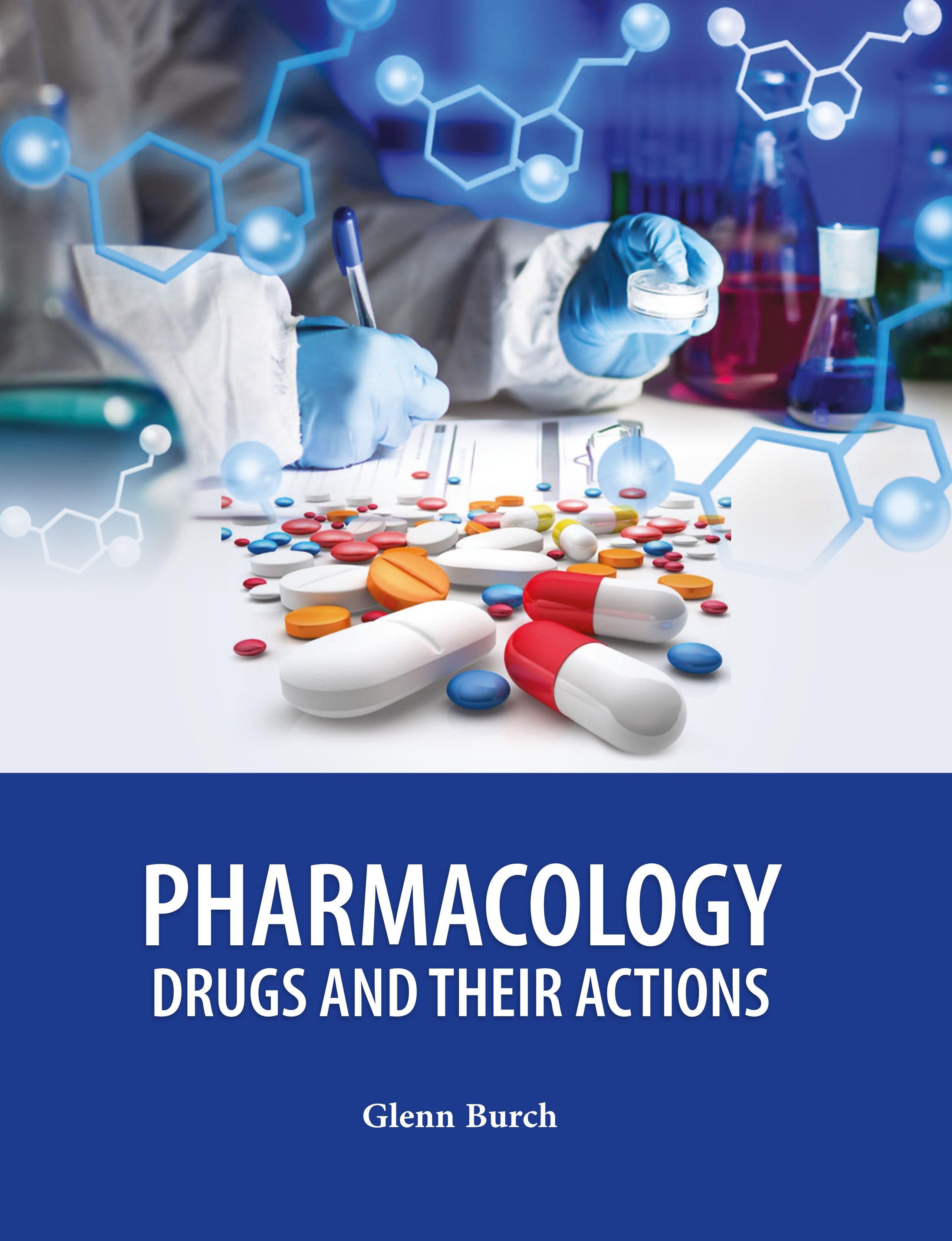
Pharmacology: Drugs and Their Actions
Enquire nowAbout this book
Pharmacology is the branch of science that studies drugs, their sources, composition, mechanisms of action, and effects on living systems. Drugs are chemical substances that can modify physiological or pathological processes in the body, helping in prevention, diagnosis, or treatment of diseases. Each drug has a specific mechanism of action, which explains how it interacts with receptors, enzymes, or ion channels to bring about its therapeutic effect. For example, analgesics like paracetamol reduce pain and fever by inhibiting prostaglandin synthesis, while antibiotics such as penicillin work by destroying bacterial cell walls. Similarly, antihypertensive drugs like beta-blockers lower blood pressure by blocking adrenergic receptors, and antidiabetic drugs like insulin regulate blood sugar by enhancing glucose uptake. Drugs are classified into categories such as analgesics, antibiotics, antihypertensives, antipyretics, antacids, and antidepressants, each with distinct therapeutic actions. The effectiveness and safety of drugs depend on factors such as dose, route of administration, metabolism, and possible side effects. Understanding pharmacology and drug actions is essential for healthcare professionals to ensure rational drug use, minimize adverse reactions, and optimize patient care. Thus, pharmacology provides the foundation for safe and effective medical treatment across all fields of healthcare. Pharmacology Drugs and their Actions provides a comprehensive understanding of various drugs, their mechanisms, therapeutic uses, and effects on the human body.