Pharmaceutical Biotechnology
Enquire nowAbout this book
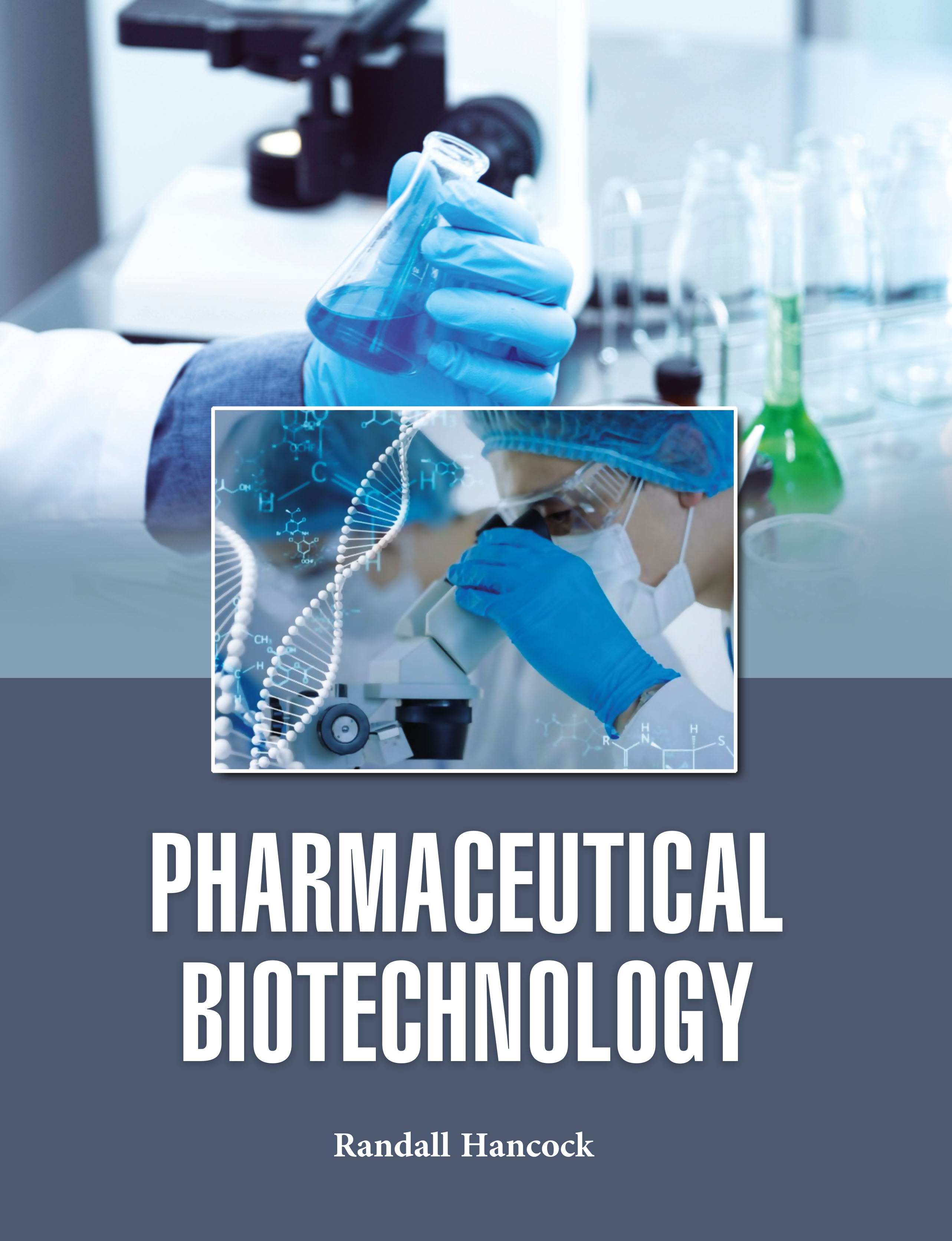
Pharmaceutical Biotechnology is a multidisciplinary field that combines principles of biology, chemistry, and technology to develop therapeutic drugs, vaccines, and diagnostic tools. It focuses on using living organisms, such as bacteria, yeast, mammalian cells, and genetically engineered systems, to produce biologically active molecules with medical applications. Modern pharmaceutical biotechnology has revolutionized healthcare by enabling the production of highly specific therapies, including recombinant proteins, monoclonal antibodies, and gene-based treatments. These biotechnological products often provide higher efficacy and fewer side effects compared to conventional chemical drugs. Key areas in pharmaceutical biotechnology include drug discovery, development of biopharmaceuticals, vaccine production, and genetic engineering. Techniques such as recombinant DNA technology, protein engineering, cell culture, and fermentation play a critical role in designing and producing therapeutic molecules. Additionally, advances in bioinformatics and molecular biology have accelerated the identification of drug targets and personalized medicine strategies. Regulatory frameworks ensure that biopharmaceutical products meet strict safety, efficacy, and quality standards before clinical use. The field continues to evolve rapidly, contributing to innovations in precision medicine, regenerative therapy, and immunotherapy. Pharmaceutical biotechnology not only addresses unmet medical needs but also enhances the overall efficiency of drug development, offering new hope for treating complex diseases such as cancer, autoimmune disorders, and infectious diseases. Pharmaceutical Biotechnology explores the application of biotechnological techniques in the discovery, development, and production of therapeutic drugs and vaccines.