Computer Aided Drug Development
Enquire nowAbout this book
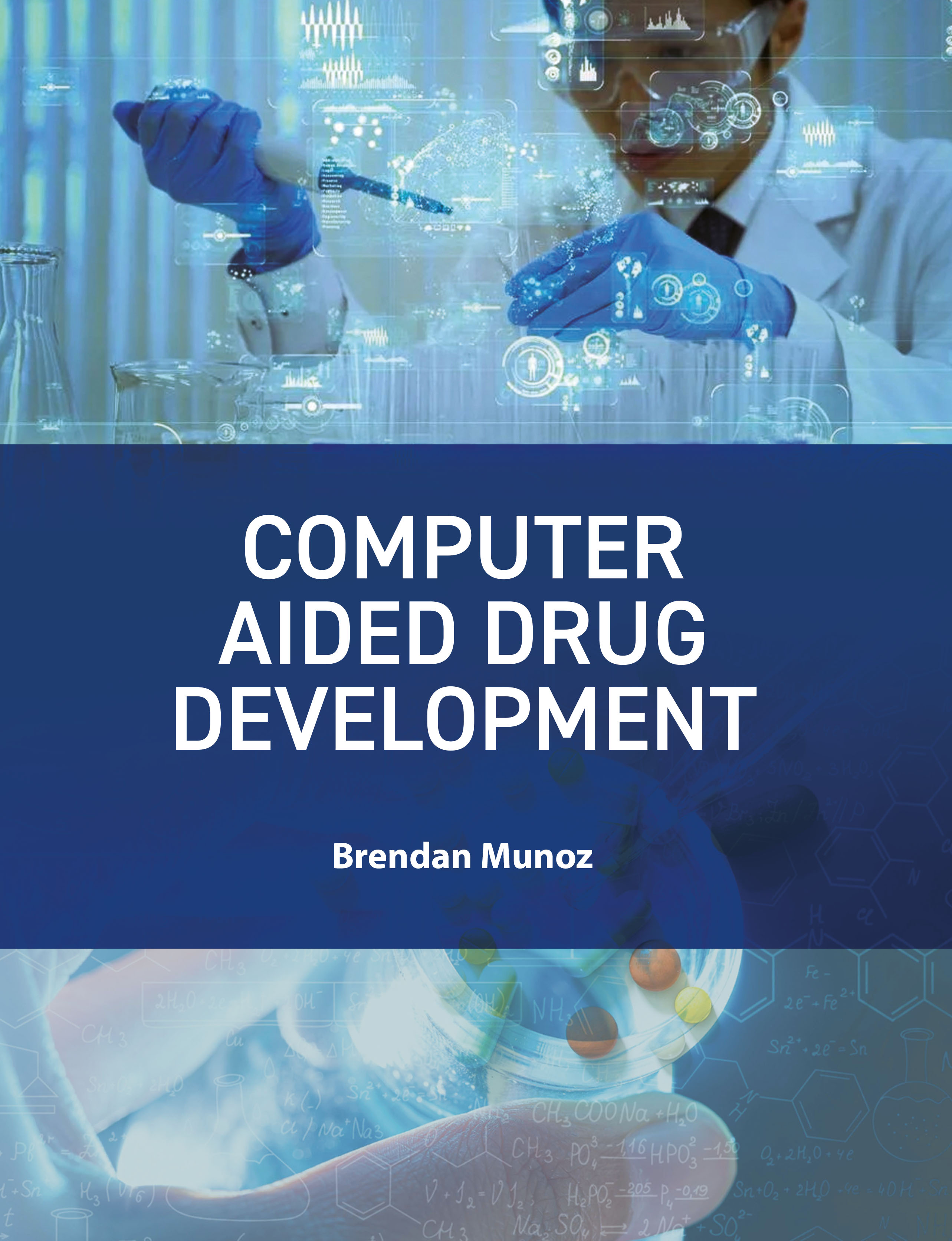
Computer Aided Drug Development (CADD) is an advanced approach in pharmaceutical sciences that utilizes computational tools and digital technologies to accelerate and optimize the process of discovering, designing, and developing new drugs. Traditional drug development is often time-consuming and costly, but CADD reduces these challenges by applying molecular modeling, simulations, artificial intelligence (AI), and big data analytics to predict how drug molecules will interact with biological targets. Through techniques like structure-based drug design (SBDD) and ligand-based drug design (LBDD), researchers can virtually screen thousands of compounds, identify promising candidates, and refine their structures before laboratory testing. This technology also integrates pharmacokinetic and pharmacodynamic modeling to estimate absorption, distribution, metabolism, excretion, and toxicity (ADMET) properties, which helps in selecting molecules with the best chances of clinical success. By minimizing trial-and-error experiments, CADD shortens development timelines, lowers costs, and increases the efficiency of research pipelines. Furthermore, it plays a crucial role in precision medicine by enabling the design of drugs tailored to specific genetic or disease profiles. In the era of digital healthcare and biotechnology, computer-aided drug development stands as a transformative tool that not only enhances innovation but also ensures safer, faster, and more targeted therapeutic solutions for global health challenges. Computer-Aided Drug Development explores the use of computational modeling, AI, and digital tools to accelerate and optimize modern drug discovery and formulation.