Clinical Approach to Forensic Medicine
Enquire nowAbout this book
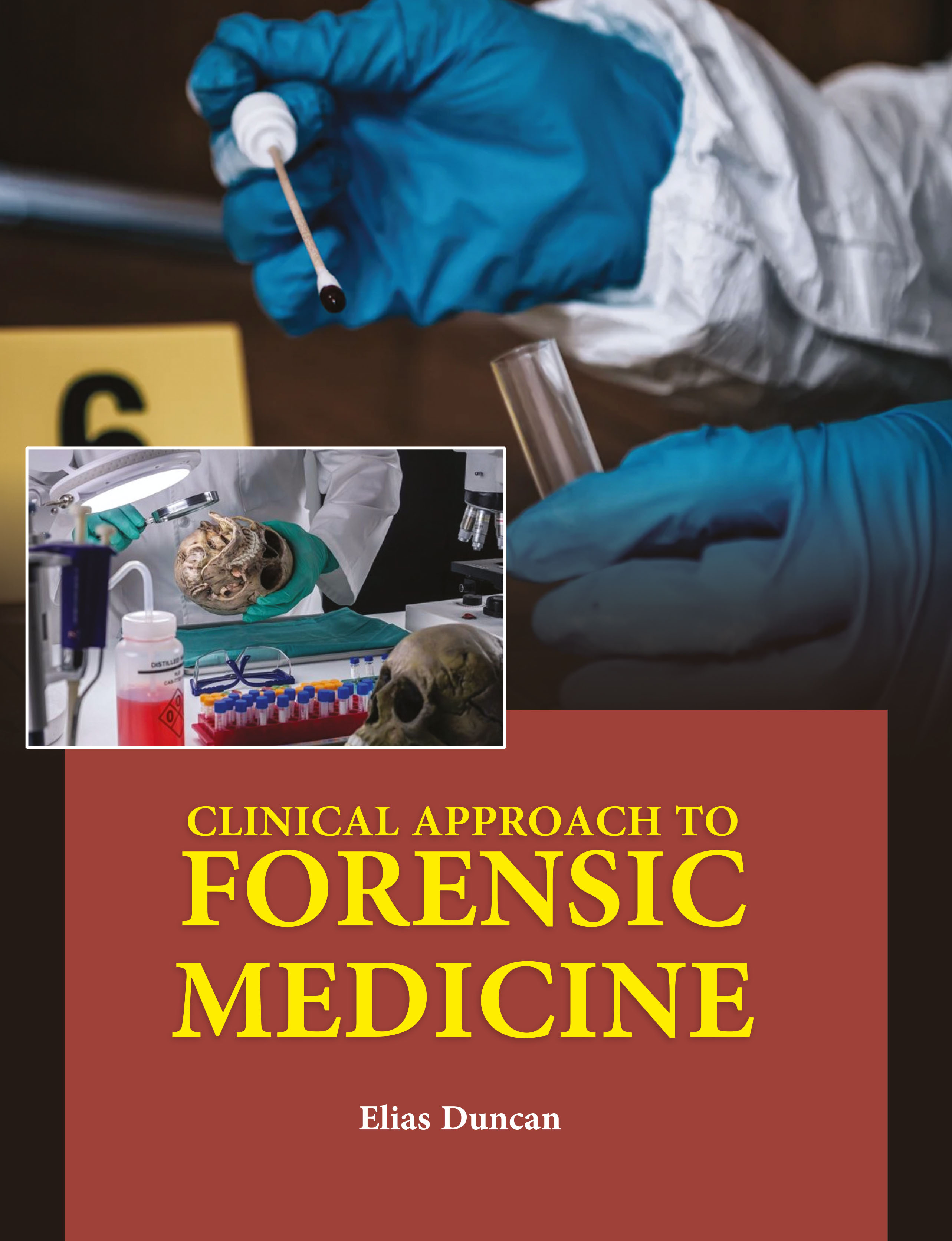
The clinical approach to forensic medicine is an essential bridge between medical science and law, focusing on the application of medical knowledge to legal investigations and justice delivery. It emphasizes the evaluation, diagnosis, and documentation of injuries, diseases, and causes of death in a manner that holds medico-legal significance. Clinicians trained in forensic medicine are responsible for examining victims of assault, sexual violence, accidents, and suspected poisoning, as well as performing post-mortem examinations to establish the cause and manner of death. Unlike routine clinical practice, the forensic approach requires meticulous observation, objective recording, and unbiased interpretation to ensure that findings can withstand judicial scrutiny. The approach involves integrating clinical examination with investigative procedures such as toxicological analysis, radiological imaging, DNA profiling, and injury pattern assessment. Maintaining proper chain of custody, consent protocols, and medico-legal documentation is crucial to avoid tampering or misinterpretation. Forensic physicians must also be skilled in courtroom testimony, translating medical jargon into clear evidence for judges and juries. Ethical considerations, including patient confidentiality, consent, and impartiality, remain central to the practice. Ultimately, the clinical approach to forensic medicine not only aids in delivering justice but also upholds human rights, offering a scientific foundation to truth-seeking in the legal system. Clinical Approach to Forensic Medicine explores the intersection of medicine and law, focusing on the scientific evaluation of injuries, causes of death, and medico-legal investigations.